

A long cobblestone street, delicately symmetrical Balinese houses and not a piece of trash in sight; Penglipuran Village is a well-preserved traditional Balinese village.
Marketed as an immersive cultural experience, it’s pristine and unique, but has it become too commercialised? Rows of houses selling the same souvenirs, tourists blocking the street, and a nagging feeling that it’s all too staged led me to ask: Is Penglipuran village worth visiting?
I live in Indonesia and have spent months in Bali; however, the traditional village of Penglipuran was one of the first attractions I visited while in Ubud. I liked it, but I didn’t love it.
In this blog, I want to share my thoughts on why Penglipuran Village is worth visiting and why it’s not, plus a complete guide to visiting: things to do, how to get there and ticket prices.
P.S. Get to know more about me and my blog here.

✈️ HOW TO MAKE TRIP PLANNING EASY?
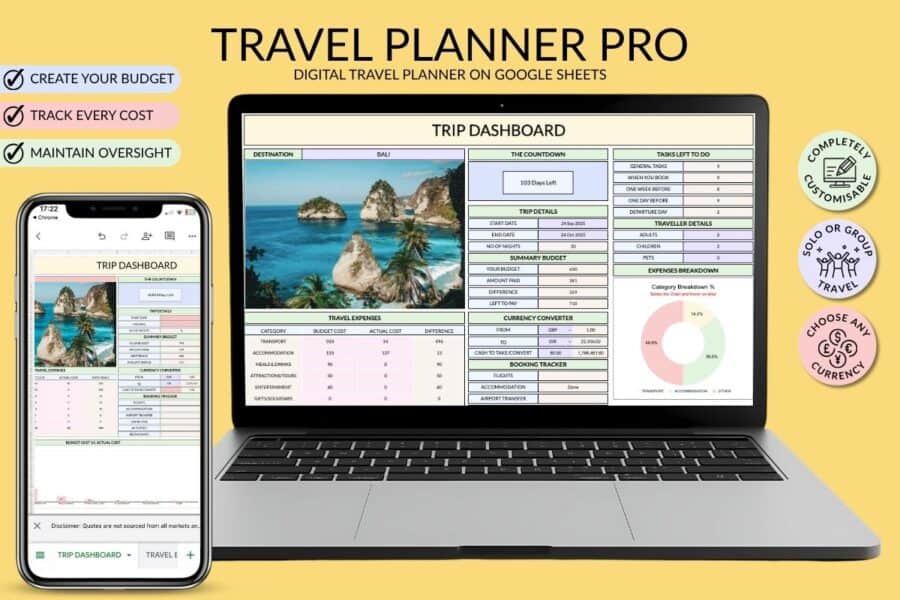
I’ve created the All‑In‑One Digital Travel Planner as a simple way to keep your trip organised. Track bookings, plan your days, manage your budget, and tick off checklists. 🤗

Is Penglipuran Village Worth Visiting?
If I’m being completely honest, Penglipuran Traditional Village isn’t worth visiting if you’re short on time in Bali.
That said, I still went. And since then, I’ve been asked countless times whether Penglipuran is worth adding to a Bali itinerary. My answer is never a straight yes or no, because my feelings about it are mixed.
Penglipuran is undeniably beautiful.

The village is immaculately clean, perfectly ordered, and framed by neat gardens and traditional Balinese gates.
Walking through it feels calm and polished, almost museum-like. You can see exactly why it’s often described as one of the “cleanest villages in the world”.
But that’s also where the hesitation comes in.
Although Penglipuran is a real, living village, it didn’t feel like one to me. It felt curated, preserved almost too perfectly, and as a result, it lacked the messy, lived-in authenticity I personally love about Bali.
I enjoyed wandering through it, but I never fully forgot that I was in a place designed to be visited.

I was lucky to visit when tourism was still quiet, which made the experience far more pleasant.
I can imagine that on a busy day, with crowds funnelled through the single main street, it would feel rushed and overly commercial, and I don’t think I’d have enjoyed it nearly as much.
That’s the trade-off with the Penglipuran traditional village. It’s pristine, calm and well-presented, but it doesn’t offer the same sense of everyday Balinese life you’ll find elsewhere.

🚑 DON’T FORGET TRAVEL INSURANCE!
SafetyWing is a fantastic travel medical insurance that is super affordable and great for backpackers. You can purchase a policy before or after your travels begin. 🤗

So, is Penglipuran Village worth visiting?
If you’re in Bali for a longer trip and enjoy cultural stops that are easy, orderly and visually striking, then yes, it’s worth seeing once.
If your time is limited, I wouldn’t prioritise it. There are places in Bali that feel more organic, more alive, and more rewarding for the time you spend there.
For me, villages like Amed left a much stronger impression: quieter, less polished, and far more reflective of the Bali I fell in love with.
Penglipuran is nice. It’s just not essential.

❤️ FOLLOW ME ON SOCIALS!
I hope you’re finding this guide helpful! Follow me on Instagram (@abigailcarolina.dalton) and Facebook for daily stories, travel tips and photo dumps!
Your support means the world to me. Thank you 🤗

At a Glance: Visitors’ Guide to Penglipuran Traditional Village
In a hurry? Penglipuran is undeniably a gorgeous traditional Balinese village. If it’s somewhere you’d enjoy, here’s a quick overview of what to do in Penglipuran Village:
- Walk through the immaculately kept main street lined with traditional Balinese homes
- See uniform family compounds with classic gates and gardens
- Learn about local customs, community rules, and village life
- Browse small craft stalls and local souvenirs
- Take photos: this is one of the most visually tidy villages in Bali
- Enjoy a calm, slow-paced visit (1–2 hours is usually enough)
- Location: Jl. Penglipuran, Kubu, Kec. Bangli
- Entrance fee: IDR 50,000 (Adults), IDR 30,000 (Kids)
- Opening hours: 8:00 AM – 6:00 PM, daily
🌟 My top pick >> For a full cultural immersion, join this must-do day trip, including visits to Trunyan Cemetery, a Hot Spring, Penglipuran Village and a Waterfall.
How to Get to Penglipuran Village
Penglipuran Village is located near Bangli, around 1–1.5 hours from Ubud by car or scooter.
- Private driver: Easiest and most comfortable option
- Scooter: Possible, but best for confident riders
- Tours: Often included in day trips with waterfalls and temples
There is a small entrance fee on arrival, and parking is available near the entrance.
🏨 Accommodation // Where To Stay In Ubud // 9.3+ ratings
Budget-friendly: Nyoman Sandi Guest House | Mid-Range: The Wakanda Resort | Luxury: Padma Resort Ubud
Things To Do In Penglipuran Village Bali
1. Explore the Village Temples

Penglipuran is home to three main temples: Pura Penataran, Pura Dalem, and Pura Puseh, all of which play an important role in daily village life.
You might catch small prayer ceremonies happening quietly in the background, or, if you’re visiting at the right time, larger events such as Galungan or the Ngusaba ritual celebrating the village’s anniversary.
That said, temple visits here are very much about observation, not participation.
Pro tip >> Dress modestly, follow local guidance, and keep a respectful distance during ceremonies. Penglipuran is still a living community first and a visitor attraction second.
⭐ BOOK: Join this must-do day trip for Balinese cultural immersion; includes visits to Trunyan Cemetery (where the Bali Aga tribes live), Penglipuran Village and a Waterfall.
2. Stop For A Coffee
Towards the lower end of the main street, there’s a small path leading through a botanical garden and into a larger green space, where you’ll find a tucked-away café.
It’s an easy spot to miss, but a lovely place to pause.
They serve freshly roasted local coffee along with simple snacks, and it feels noticeably calmer than the main village walkway. I liked stopping here to take a breather and sit for a while before heading back out.
Enjoying this blog? All my content is free, but I do spend a lot of time in coffee shops. If you’re finding my content helpful and would like to buy me a coffee, I’d love that! Thank you 🤗
3. Wander the Side Streets

Most visitors walk straight down Penglipuran’s main street, take a few photos, and leave. I’d really recommend slowing down and exploring the side paths, too.
This is where the village feels a little more relaxed and less performative.
The paths are quiet, well-kept, and easy to wander, and you get a closer look at everyday life beyond the postcard view. I enjoyed this part far more than the main drag.
As you walk, keep an eye out for the traditional Balinese homes and their angkul-angkul gates, the distinctive entrances to each family compound.
They’re subtle, but they’re one of the details that make Penglipuran visually special.
4. Walk Through the Bamboo Forest

Just outside the village, you’ll find a large bamboo forest, and for me, this was a highlight of visiting Penglipuran.
The bamboo towers above you, creating a cool, shaded space that feels completely different from the neat village streets.
It’s quiet, green, and far more immersive, with plenty of spots that naturally draw you in for photos or a slow wander.
The forest is considered sacred by the local community and forms part of the Parhyangan area. If you only have time for one thing beyond the main street, this would be the one I wouldn’t skip.
💡 Good to know: The Bamboo Cafe
There’s also a small café called Bamboo Café located just beyond the bamboo forest.
It’s a quiet, shaded spot surrounded by bamboo, serving simple local food and drinks at reasonable prices. If you fancy a short break after walking through the forest, it’s a nice place to stop before heading back.
4. Learn About The Bamboo Weaving

As you walk through Penglipuran, you’ll notice many residents selling handmade crafts directly outside their homes.
Bamboo weaving is the standout here, and it’s genuinely interesting to see how much skill goes into it.
You’ll find everything from traditional bamboo baskets and painted keben boxes to carved masks and other woodcrafts.
What I liked most was that this isn’t a separate “market”, it’s woven into daily life. In some places, you can watch artisans working while chatting casually, which feels far more natural than browsing a souvenir shop.
Even if you don’t plan on buying anything, it’s worth taking the time to stop and look. It adds a layer of context to the village and helps explain why bamboo plays such an important role here.

Here’s what else is available for groups:
- Making canang sari (daily Balinese offerings)
- Creating Gebogan arrangements using flowers or fruit
- Learning how penjor bamboo poles are made and decorated
- Klepon cake-making (traditional coconut and palm sugar sweets)
- Preparing loloh cemcem, the village’s herbal drink
- Introductory Balinese dance classes
- Guided village tours explaining layout, customs, and community rules
These activities are usually arranged in advance and are better suited to travellers who enjoy structured cultural learning rather than casual wandering.
Related post: If you enjoy traditional crafts, I also tried a silver-making class in Ubud, where I got to create my own ring and learn more about Balinese jewellery-making.
5. Try the Local Food

As you wander through the village, you’ll spot small warungs and food stalls selling simple local dishes. It’s an easy way to break up your walk and try something traditional without committing to a full meal.
Two things worth looking out for are tipat cantok and loloh cemcem.
- Tipat cantok is made with rice cake pieces mixed with boiled vegetables and a rich peanut sauce: filling, comforting, and very local.
- Loloh cemcem is a traditional herbal drink unique to Penglipuran, recognisable by its bright green colour and slightly bitter, refreshing taste.
You don’t need to go out of your way for food here, but if you’re curious, it’s a nice way to round off your visit.
6. Stay the Night (If You’re Curious)

It’s possible to stay overnight in Penglipuran Village, usually in simple homestays run by local families.
These aren’t hotels or boutique stays, they’re modest, traditional homes offering a chance to experience village life after the day-trippers leave.
I didn’t stay overnight myself, but the locals I met were warm and welcoming, and it’s clear that hosting visitors is something the community takes seriously.
That said, this option really suits travellers who are genuinely interested in cultural immersion and don’t mind basic comforts.
Penglipuran Village Practicalities
Where to stay in Ubud
It is possible to stay overnight in Penglipuran Village, usually in simple homestays run by local families. These stays are basic but offer a quiet, culturally immersive experience once the day visitors leave.
That said, for most travellers, staying in Ubud makes more sense.


Ubud offers far more accommodation, restaurants, and transport options, and Penglipuran works well as a half-day or day trip from there rather than an overnight stop.
Facilities & Accessibility
Penglipuran is well set up for visitors and easy to navigate.
- Wheelchair-accessible paths along the main village street
- Clean, well-maintained toilet facilities
- On-site staff and village officers are available to assist visitors
- Small food stalls and drinks are sold from local homes
- Handicrafts and souvenirs available throughout the village
- Large, secure parking area for cars and scooters
How to Get to Penglipuran Village
Penglipuran Village is located near Bangli, around 1–1.5 hours from Ubud, depending on traffic.
You can reach the village in several ways:
Day Trip Tours
Penglipuran is often included in guided day tours alongside waterfalls and temples. This is the easiest option if you don’t want to organise transport yourself, though it usually allows limited time at the village.
- Full cultural immersion: A must-do culture and nature tour, including visits to Trunyan Cemetery, Hot Spring, Penglipuran Village and a Waterfall.
- Central highlands: Admire the ancient village of Penglipuran on this guided tour; visit waterfalls and temples, and pose on a jungle swing, with all entrance tickets included.
Private Driver
Hiring a private driver is the most comfortable and flexible option. It allows you to visit Penglipuran at a quieter time of day and combine it with nearby stops at your own pace.
⭐ Hire a driver to explore Bali: Explore Bali on this custom-made day trip. Plan your own route in advance with a door-to-door service.
Rent a Scooter/Car
Scooters are a budget-friendly option for confident riders. Roads are mostly good, but the journey is long, so this is best suited to experienced riders with an international driving permit.
🛵 BEST BALI BIKE RENTAL
If you want to rent a scooter in Bali as we did, you’re going to need a comfortable bike. I recommend BIKAGO, they are a popular Bali-based bike rental company. 🤗

Penglipuran Village Festival

Penglipuran Traditional Village hosts occasional village festivals and ceremonies tied to the Balinese calendar, often linked to temple anniversaries or major religious events like Galungan.
During these times, the village feels more alive, with decorations, offerings, and locals in traditional dress.
If you happen to visit during a festival, it’s a special experience, but expect larger crowds and limited access to certain areas.
This isn’t something to plan a trip around, but it can add depth if your timing lines up naturally.
Where to go after Penglipuran Village Bali
Not ready to call it a day after Penglipuran? One of the biggest advantages of coming here is how easy it is to combine with nearby highlights.
- Tukad Cepung Waterfall: 19 minutes away
- Tirta Empul Temple: 25 minutes away
- Besakih Temple: 25 minutes away
- Gunung Kawi: 28 minutes away
- Tibumana Waterfall: 33 minutes away
- Kintamani & Lake Batur: 35 minutes away
- Kanto Lampo Waterfall: 38 minutes away
- Tegalalang Rice Fields: 45 minutes
Resources For Bali
Is it your first time visiting Bali? We’ve written lots of useful posts to help you plan your trip. You can check them all out on our Bali Page here, but below are some of our most popular articles:
- There are plenty of attractions in Bal. Popular day trips include temple tours and ATV tours.
- I really enjoyed the quaint fishing town of Amed. It was filled with exciting activities and has man places to stay.
- If you haven’t got much time in Bali, my 5-day itinerary hits the best places.
- If you have more time, this 3-week itinerary is full of ideas, and if you want to go off the beaten path, my 4-week road trip is perfect.
End Note: Is Penglipuran Village Worth Visiting
I’m glad I visited Penglipuran, but it’s not a place I’d rush back to.
I enjoyed how calm and orderly it was, and the bamboo forest in particular stood out for me, but overall, it felt more like a well-kept showcase than a village I could really sink into.
If you have plenty of time in Bali and enjoy gentle cultural stops, Penglipuran is a nice addition. If your itinerary is tight, I wouldn’t stress about missing it; there are places in Bali that feel more organic and rewarding for the time you spend there.
For me, Penglipuran sits firmly in the nice-to-see, not-essential category, and that’s okay.
Thank you for reading my post. You can find my latest stories and articles on my blog homepage here. Follow me on Instagram (@abigailcarolina.dalton) and Facebook to see what I’m getting up to and where my upcoming trips are.

Helpful? Please help me share 🤗
FAQs: Is Penglipuran Village Worth Visiting?
What should you wear to Penglipuran Village?
Wear light, comfortable walking clothing, and dress modestly out of respect for the local community. Covering your shoulders and knees is a good idea, especially if you plan to visit temples.
What is the Penglipuran Village entrance fee?
Yes, there is an entrance fee to visit Penglipuran Village. The cost can change, so it’s best to expect a small fee payable on arrival rather than relying on fixed prices. Current prices are: IDR 50,000 (Adults), IDR 30,000 (Kids)
What are the opening hours?
Penglipuran Village is generally open daily from morning until late afternoon: 8:00 AM – 6:00 PM, daily. Visiting earlier in the day is best for fewer crowds and a quieter atmosphere.
Is Penglipuran Village worth a day trip?
Penglipuran works well as part of a day trip combined with nearby temples, waterfalls, or Kintamani. On its own, it’s a short visit, but paired with other stops, it fits nicely into a full day.
What is a Balinese traditional village?
A Balinese traditional village is a community that follows long-standing cultural rules around layout, architecture, and daily life. Homes, temples, and ceremonies are organised according to Balinese Hindu beliefs, with a strong focus on harmony between people, nature, and spirituality.
How much does a day trip to Penglipuran Village cost?
It depends on how you travel and what you combine it with. At minimum, budget for transport (driver or scooter), the village entrance fee, and food/drinks. Costs rise if you add extra stops, so it’s best to think of it as a flexible day out rather than one fixed price.
