


Is Indonesia worth visiting? After spending months living and travelling across the country, many people have asked me whether Indonesia is a good holiday destination or simply a stopover on the way to Bali.
The reality is far more layered.
Indonesia is vast. More than 17,000 islands stretch across jungle-covered hills, ancient temples, volcanic peaks glowing at sunrise, and coral reefs alive with colour.
But it’s not one destination. If you’re wondering why visit Indonesia instead of somewhere more familiar, these are the reasons that stand out most.


Quick Answer: Is Indonesia Worth Visiting?
Yes, Indonesia is worth visiting, especially if you’re looking for dramatic landscapes, rich culture, and genuine adventure.
- The landscapes are wild and varied
- It’s more than just Bali
- Adventure is everywhere
- The marine life is exceptional
- It can still feel authentic
But it isn’t the easiest destination in Southeast Asia.
Indonesia is huge, travel between islands can take time, infrastructure varies depending on where you are, and experiences differ massively from one region to another.
If you’re after polished convenience and short, seamless travel days, parts of Indonesia may feel frustrating.
In short, Indonesia is absolutely worth visiting, just not for everyone.
🌟 My top pick >>Explore the best of Ubud’s highlights on this private full-day tour. You’ll visit must-see places like Ubud Monkey Forest, Batuan Temple, Tegenungan Waterfall, and Tegalalang Rice Terrace.
Why is Indonesia Worth Visiting?
Bali feels very different from Java. Lombok has a slower rhythm. The Gili Islands feel almost detached from the mainland. And somewhere like Komodo National Park or Raja Ampat might feel like another world entirely.
I currently live on Gili Meno, and the longer I stay in Indonesia, the more I realise how layered, complex and often misunderstood it is.
So whether Indonesia is worth visiting really depends on what you’re looking for. Here’s what you need to know before deciding.
P.S. Get to know more about me and my blog here.
The landscapes feel dramatic and unfiltered
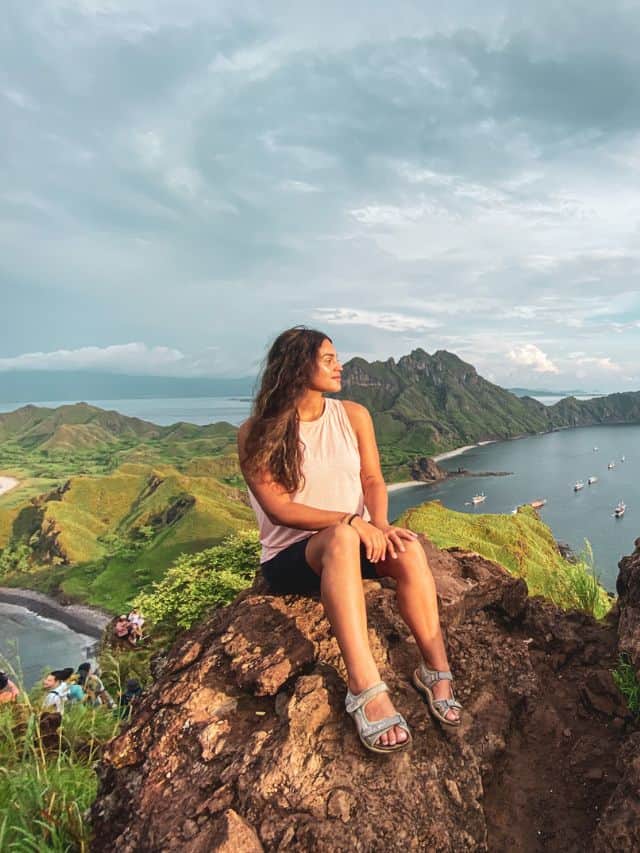
Indonesia doesn’t ease you in gently.
My first proper sunrise hike here wasn’t a neat, paved viewpoint. It was a dark scramble up a volcano in Bali, loose gravel underfoot and steam rising from the earth.
When I was in Komodo National Park, sailing past jagged limestone islands uplifted by fossilised coral reefs at golden hour felt cinematic in a way that’s hard to explain until you’ve seen it yourself.
Even now, living on Gili Meno, I love to pause in the mornings when the sea is glassy simply to dip my toes in the ocean and stare out at Mount Rinjani in the distance, looking almost unreal.
Indonesia isn’t polished scenery. It’s dramatic, raw, and constantly changing.
⭐ BOOK: Experience the breathtaking sunrise from Mount Batur and climb the active volcano. This is one of the most popular activities in Bali; I’ve done it and loved it, and it’s well worth it.
It’s more than Bali, and that’s important
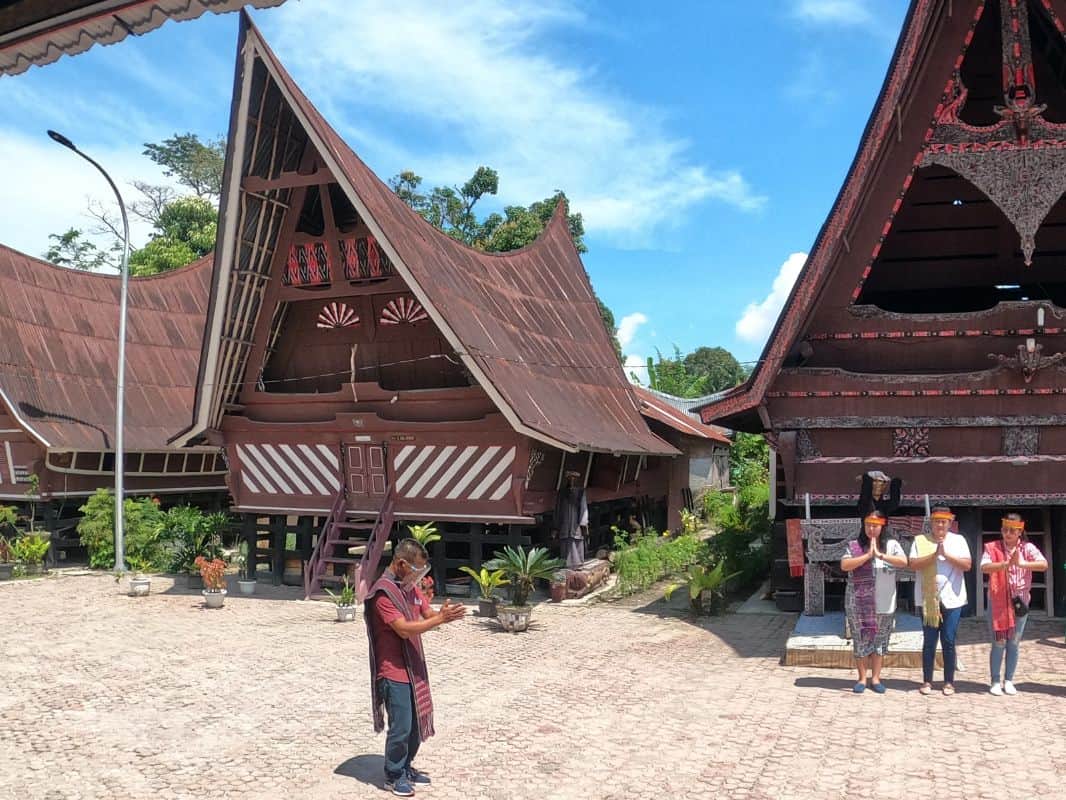
Bali gets the spotlight, and there’s no denying it’s beautiful. But Indonesia is far bigger than Bali.
For example, 90 minutes away, Lombok feels less curated. Bounce over to Flores, and it feels rugged and remote. In contrast, Sumatra feels humid, chaotic yet calm, and deeply alive, especially in local traditions.
Spending time beyond Bali changed my opinion of the country completely.
If I’d only stayed in the most popular parts of Bali, I wouldn’t feel as strongly that Indonesia is worth visiting. In truth, I’d probably say Indonesia isn’t worth visiting.
The variety between islands is what makes it special.
❤️ FOLLOW ME ON SOCIALS!
I hope you’re finding this guide helpful! Follow me on Instagram (@abigailcarolina.dalton) and Facebook for daily stories, travel tips and photo dumps!
Your support means the world to me. Thank you 🤗

It rewards curious travellers
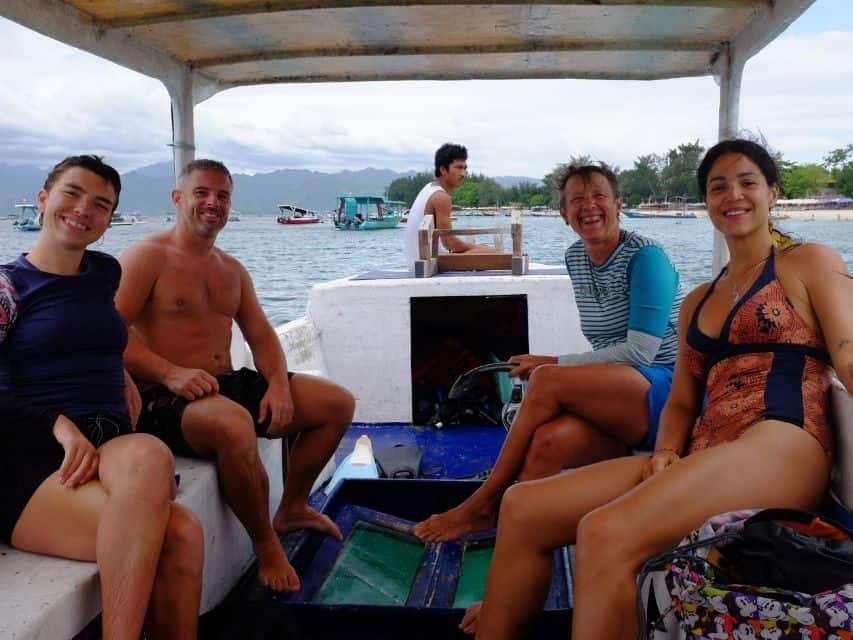
One thing I’ve learnt is that Indonesia isn’t always easy. Infrastructure is less developed than other Asian countries: Boats run late, roads take longer than you expect and plans constantly shift.
But I’ve found that the best moments often come from leaning into that unpredictability; whether that’s spotting turtles while snorkelling off Nusa Lembongan, hiking through thick jungle air in Sumatra, or watching manta rays glide beneath a boat in Komodo.
If you like destinations that feel slightly untamed and occasionally inconvenient, Indonesia gives you stories you won’t forget!
⭐BOOK: Pair the Kecak and Fire Dance with a visit to the temple itself, then feast on seafood by candlelight when you book this private tour.
The underwater world is a standout
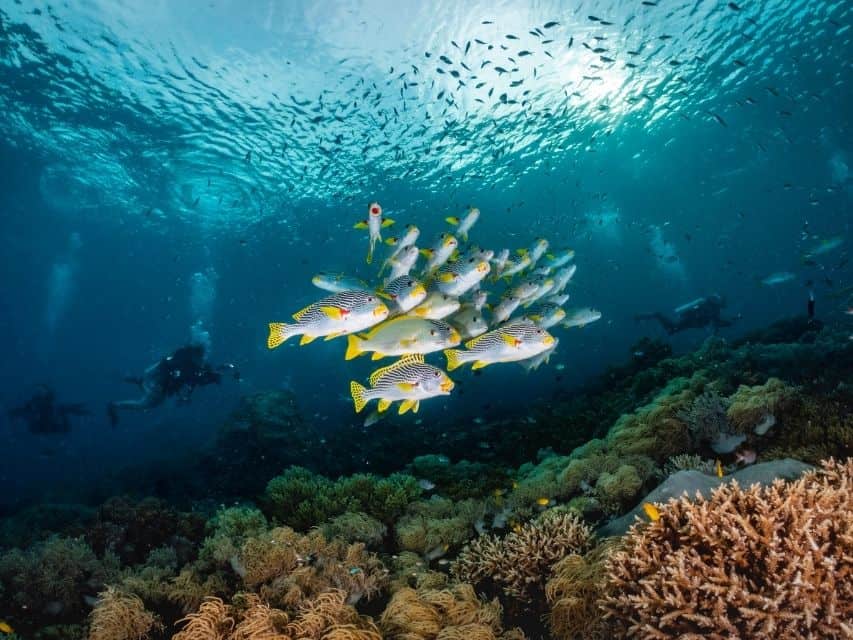
Living on Gili Meno has completely changed how I see Indonesia’s marine life.
Snorkelling here isn’t a once-in-a-trip activity; it’s become part of my daily life.
Turtles are everywhere, drifting past casually. Coral reefs are alive with colour. And that’s before you even reach places like Komodo or Raja Ampat, which are on another level entirely.
If diving or snorkelling is high on your travel wish list, Indonesia alone could justify the flight.
⭐BOOK: Once you arrive in paradise, head out to snorkel at four of the best Bali snorkelling spots in Nusa Penida. After snorkelling, go on a private land tour to visit the iconic Kelingking Beach.
It still feels real

One of the reasons I think Indonesia is worth visiting is that it doesn’t always feel curated for you.
In Flores and parts of Lombok, tourism still feels small-scale. In Sumatra, jungle villages move at their own rhythm. Even in Bali, once you step slightly outside the busiest areas, daily life feels grounded and local.
Indonesia isn’t perfect; in truth, it’s usually messy. But step outside Bali and it rarely feels fake.
These contrasts are a big part of why Indonesia is worth visiting in the first place.
Enjoying this blog? All my content is free, but I do spend a lot of time in coffee shops. If you’re finding my content helpful and would like to buy me a coffee, I’d love that! Thank you 🤗
Things to Consider Before Visiting Indonesia
Understanding these realities will help you decide more clearly whether Indonesia is worth visiting for your travel style.
It’s huge and travel takes time

One of the biggest surprises for first-time visitors is just how large Indonesia is.
Flights between islands are common, but they’re not always short. Boats can be slow. Roads can be winding and uneven, scooters are everywhere, and what looks close on a map can easily turn into a full day of travel.
When I travelled through Sumatra and Lombok, moving between places often took longer than expected. Even in Bali, short distances can stretch into hours during rush hour.
If you’re planning a quick 7–10 day trip, you’ll need to focus on one region rather than trying to see “all of Indonesia”, which would be completely impossible.
🛵 BEST BALI BIKE RENTAL
If you want to rent a scooter in Bali as we did, you’re going to need a comfortable bike. I recommend BIKAGO, they are a popular Bali-based bike rental company. 🤗

Infrastructure varies a lot
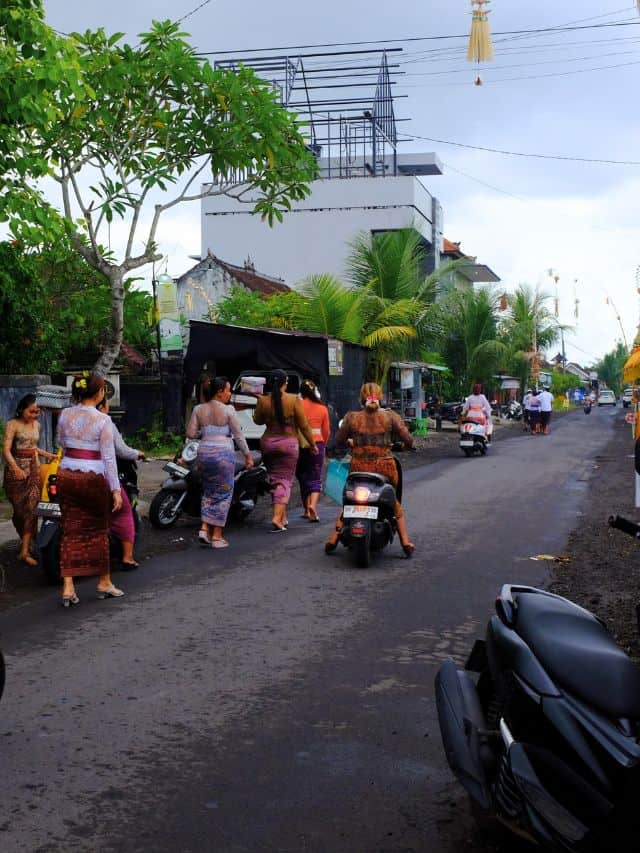
Java and Bali have developed tourism infrastructure. Other islands, like Flores and Lombok, feel more basic. In Sumatra, you’re firmly in adventure territory.
That’s not a negative, especially if you’re after raw landscapes and authenticity.
But the reality is, you might find patchy WiFi, limited ATM access in remote areas, and accommodation that feels simpler than you’re used to.
Living here on Gili Meno, for example, comes with power cuts and slower services. There’s only one ATM on the island, which often runs out of money, and simple pleasures like hot water are unreliable.
It’s part of the charm, but it’s worth knowing in advance.
If you’re looking for polished, ultra-smooth logistics, Indonesia can feel unpredictable.
✈️ MAKE TRIP PLANNING EASY!
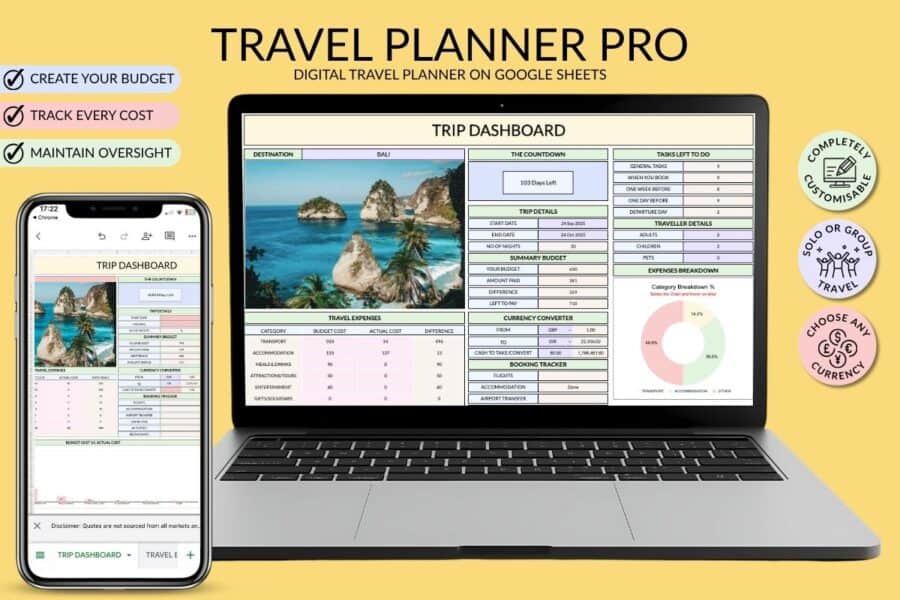
The All‑In‑One Digital Planner is your simple way to keep every trip organised. Track bookings, plan your days, manage your budget, and tick off checklists – all in one colour‑coded Google Sheet you can use again and again. 🤗
The weather can be intense
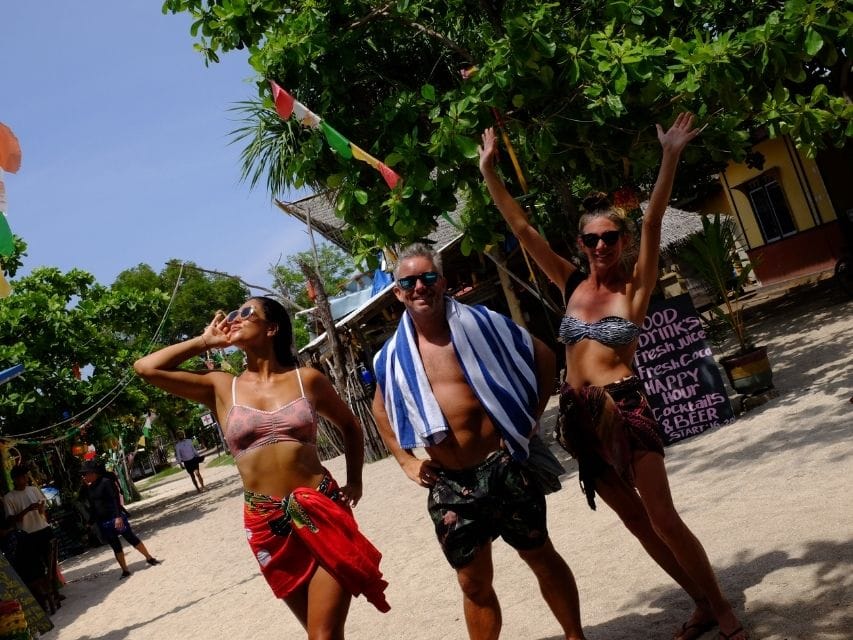
Indonesia is tropical. That means humidity, sudden downpours, and strong sun.
The humidity here, especially, is madness, and if you’re anything like me, expect sweaty days and unmanageable frizz.
In Sumatra, the jungle heat felt heavy and constant; so visiting places like Bukit Lawang which has a river running through it was the perfect to cool down.
In Bali, the rainy season brings dramatic downpours; I’m talking roaring thunder, lightning that sets the sky ablaze and rain so heavy you can’t do much but wait it out. That said, downpours are often short.
On the Gili Islands, the dry season here is glorious, but hot. Luckily, the ocean is mere meters away.
Timing matters. And it’s important to remember that the “best time to visit Indonesia” depends entirely on which island you’re heading to.
Bali isn’t the whole story
Some travellers visit Bali and assume they’ve “done” Indonesia.
But Bali is just one tiny piece of a much larger country. If you’re basing your entire opinion of Indonesia on the busiest parts of Canggu or Ubud, you’re missing a lot and will likely leave feeling underwhelmed.
That doesn’t mean Bali isn’t worth visiting. It absolutely is. But how you experience it matters.
If you’re heading to Bali, I’d recommend venturing beyond the most saturated areas. Explore the quieter north, hike Mount Agung at sunrise, visit the east around Amed, or take a boat to the Nusa Islands or the Gili Islands.
And if you’re coming to Indonesia, consider pairing Bali with another island.
Indonesia makes far more sense when you see at least two regions. That’s when you start to understand why so many travellers return.
It requires a flexible mindset
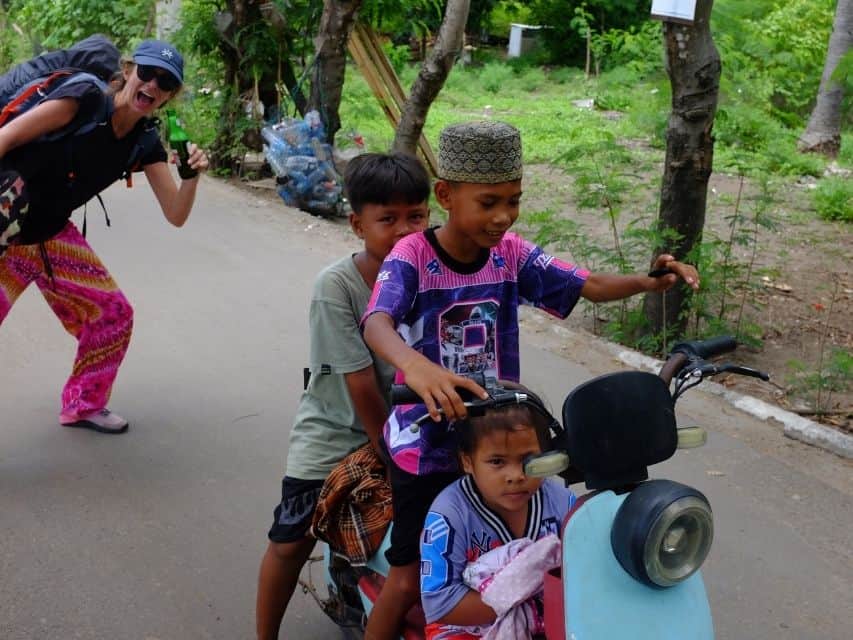
One of the most important things to remember about Indonesia is that it doesn’t always run a tight schedule.
Ferries can be delayed. The weather can shift plans, and WiFi can disappear at the worst possible moment.
Even something simple like moving between islands can feel less structured than in neighbouring countries like Thailand or Singapore.
Living here has taught me that Indonesia rewards flexibility. The more tightly you try to control every detail, the more frustrating it can feel.
But if you allow space for delays, slower days, and plans that change, it becomes part of the beauty rather than an inconvenience.
For some travellers, that unpredictability is stressful. For me, it’s what makes the experience feel less manufactured and more real.
🚑 DON’T FORGET TRAVEL INSURANCE!
SafetyWing is a fantastic travel medical insurance that is super affordable and great for backpackers. You can purchase a policy before or after your travels begin. 🤗

Best Places to Visit in Indonesia
Indonesia is huge and it’s too vast to see in one trip. The key to a great trip is choosing the right region for the kind of experience you want.
There are lots of places, but here’s an overview of some of the best places to visit in Indonesia, based on both personal experience and wider travel research.
Bali: The easiest introduction

Bali is often the starting point for an Indonesian trip and for good reason.
It’s where I began my journey into Indonesia. It’s accessible, relatively easy to navigate, and packed with variety: volcano hikes, rice terraces, temples, beach towns, surf spots, waterfalls, hot springs and a strong café culture.
The infrastructure is more developed here than in many other parts of Indonesia, which makes it a comfortable introduction to the country.
If it’s your first time in Indonesia, Bali makes things simple. But where you go on the island matters.
If you stick to the busiest corners of Seminyak, Canggu and central Ubud, you might leave thinking Bali feels overcrowded or overhyped. Instead, venture a little further.
Medewi offers low-key surf and a slower pace. Pemuteran is ideal for wildlife, hiking and snorkelling near the West Bali National Park. And Amed, my personal favourite, feels calmer and far less polished than the south.
Exploring beyond the obvious hotspots gives Bali depth, and that depth is what makes it memorable.
Lombok & The Gili Islands: Slower pace, clear water
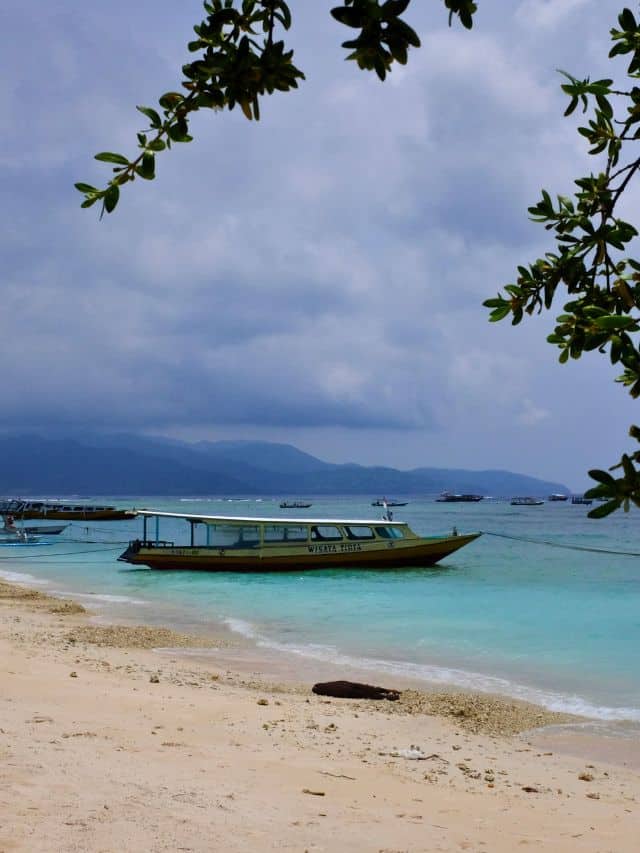
Lombok feels noticeably less built-up than Bali, with long stretches of coastline and dramatic views around Mount Rinjani.
The landscapes are similar in many ways: waterfalls hidden in the jungle, rice fields, village life and quiet beaches, but the atmosphere feels different.
There’s a shift in religion here. Lombok is predominantly Muslim, unlike largely Hindu Bali, and that change subtly shapes daily life, architecture, and the overall rhythm of the island.
The Gili Islands – where I currently live on Gili Meno – are tiny, car-free and centred almost entirely around the sea. Life here moves slowly. Very slowly. Days revolve around snorkelling, diving and sunset walks.
The marine life is genuinely impressive; turtles are common, and the reefs are vibrant.
If you’re looking for something quieter than Bali, but not completely remote or logistically complicated, Lombok and the Gilis strike a good balance.
Flores & Komodo National Park: Wild and cinematic

Flores feels rugged and underdeveloped in the best way. It’s not polished.
Roads are winding, distances are longer than they look on the map (although this is the case in most of Indonesia), and tourism still feels relatively small-scale outside Labuan Bajo.
Most travellers arrive for Komodo National Park, and it is spectacular. Labuan Bajo is your stop for the national park.
Here, expect jagged limestone islands rising from turquoise water, pink-tinged beaches, snorkelling with manta rays, hiking Padar Island at sunrise, and spotting Komodo dragons in their natural habitat. Multi-day boat trips here are popular for good reason.
But Flores itself is far more than a launch point for Komodo.
Driving across the island reveals green hills, quiet villages, and viewpoints that you’ll likely get to yourself. Kelimutu National Park is one of the most unique sights in Indonesia: three crater lakes, each changing colour over time.
In Bajawa and the surrounding highlands, you’ll find traditional Ngada villages with distinctive thatched houses and a strong cultural identity.
The north coast around Riung offers a quieter island-hopping alternative to Komodo, with far fewer boats and a slower pace. And scattered across the island are waterfalls, hot springs, and stretches of coastline that rarely see crowds.
Java: Volcanoes and ancient temples
Java is Indonesia’s most populated island and home to Jakarta, the capital. It feels busy. Properly busy. Traffic is heavy, it’s loud in places, and far more fast-paced.
I’ll be honest, it’s not my favourite island, although I know I haven’t explored all of it.
That said, it delivers some of Indonesia’s most iconic sights.
Mount Bromo is famous for its mist-filled sunrise views over a volcanic crater, with Mount Semeru smoking in the distance. It’s popular (and often crowded) but visually unforgettable.
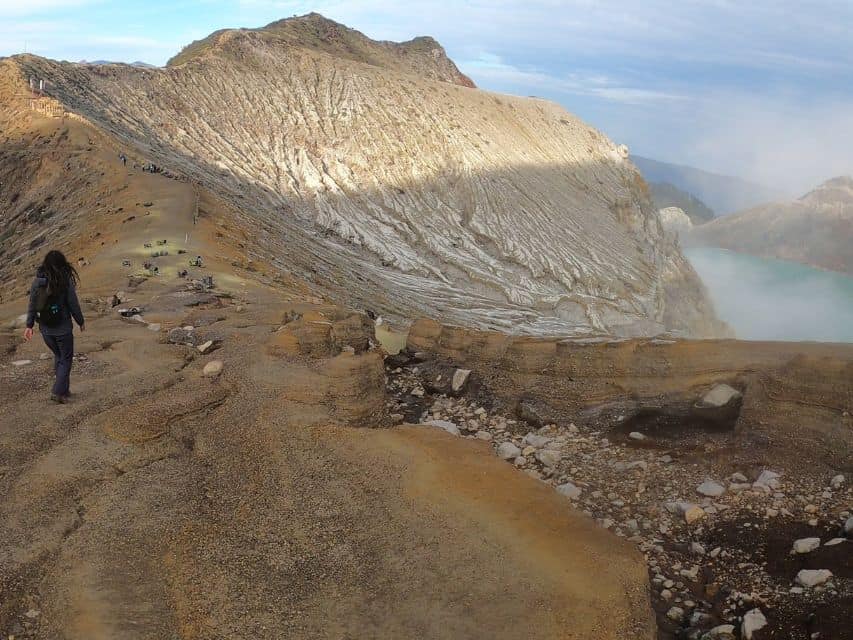
Ijen Crater offers something different: a night hike to see the electric-blue sulphur flames, followed by sunrise over a striking turquoise crater lake. It’s raw, dramatic, and unlike anything else I’ve seen in the world.
I highly recommend this volcano hike if you’re after unique scenery.
Culturally, Borobudur is one of Southeast Asia’s most important Buddhist temples, while nearby Prambanan showcases towering Hindu architecture. Both add depth beyond Java’s volcanoes.
Sumatra: Jungle, wildlife and raw energy
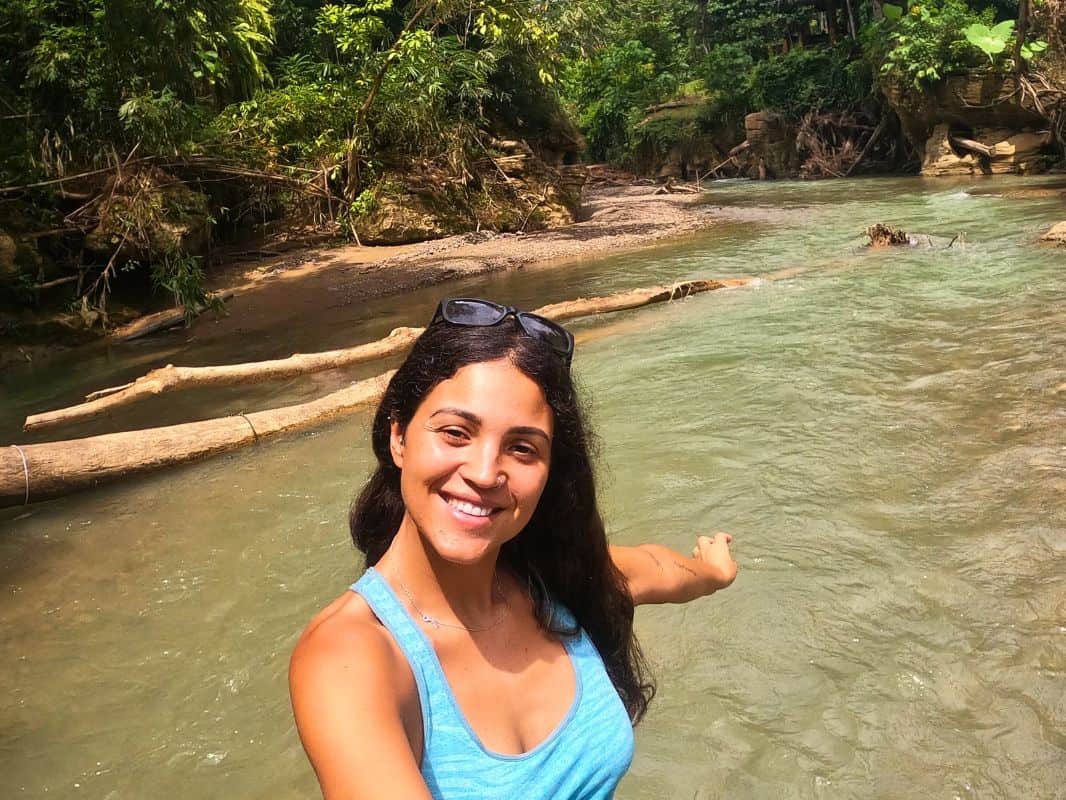
Sumatra feels different again: greener, heavier, more chaotic. It’s an island I enjoyed backpacking on.
It’s best known for multi-day orangutan trekking adventures in places like Bukit Lawang. Spotting orangutans in their natural habitat is very different from seeing them in a sanctuary, and I absolutely recommend it.
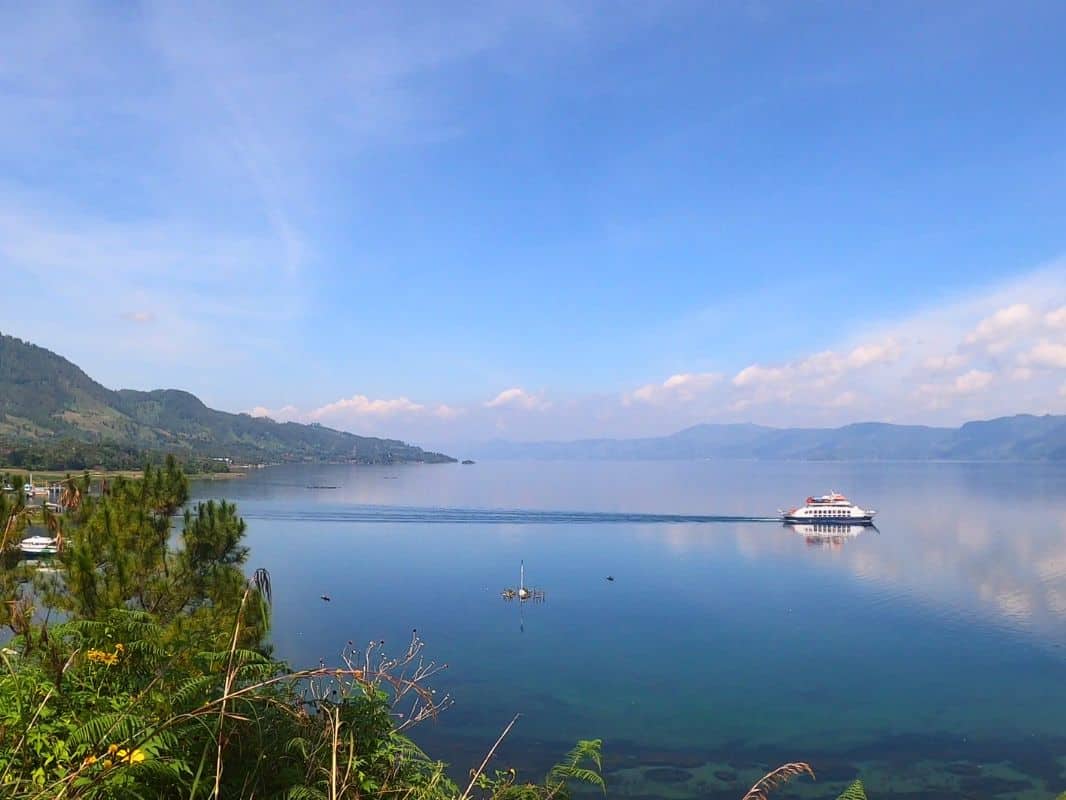
Then there’s Lake Toba, one of the largest volcanic lakes in the world. The scale alone is impressive, and the Batak culture around the lake gives the region a distinct identity. It feels slower there.
The drawback is that Sumatra isn’t polished for tourism. Infrastructure is lighter, especially outside larger cities, and travel between destinations can take time. But that’s also what makes it feel adventurous.
If you’re drawn to wildlife, jungle landscapes and destinations that still feel untamed, Sumatra offers something completely different from Bali’s beaches and café culture.
Borneo (Kalimantan): Rainforest and Orangutans
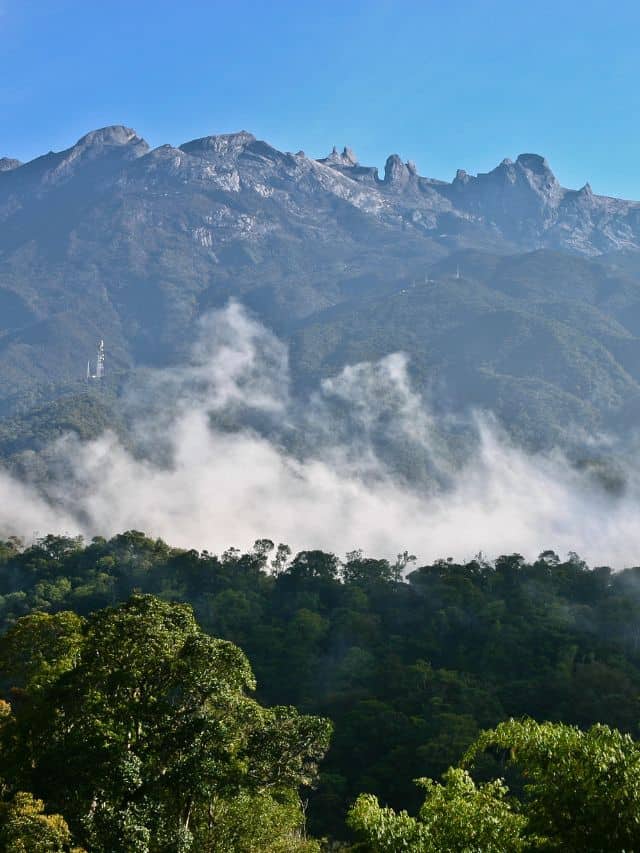
I’ve yet to visit, but Indonesian Borneo (known locally as Kalimantan) is best known for its orangutan conservation projects and river journeys through dense rainforest.
In ways, it’s similar in typography to Sumatra: dense tropical rainforest, rich in rivers and lowland jungle, humid, heavy, and green almost everywhere. But it’s generally flatter, making hiking easier.
Many travellers head to Tanjung Puting National Park, where you can travel by traditional wooden boat (called a klotok) along the river, stopping at feeding stations and trekking into the jungle to see orangutans in the wild.
It’s less about ticking off landmarks and more about immersion. Here is the perfect place to drift past thick rainforest, spot proboscis monkeys in the trees, and sleep on deck under the canopy.
There are no beaches here, no café culture, no polished resorts. Kalimantan appeals to travellers who want wildlife and raw jungle rather than postcard coastlines.
Sulawesi: Culture and world-class diving
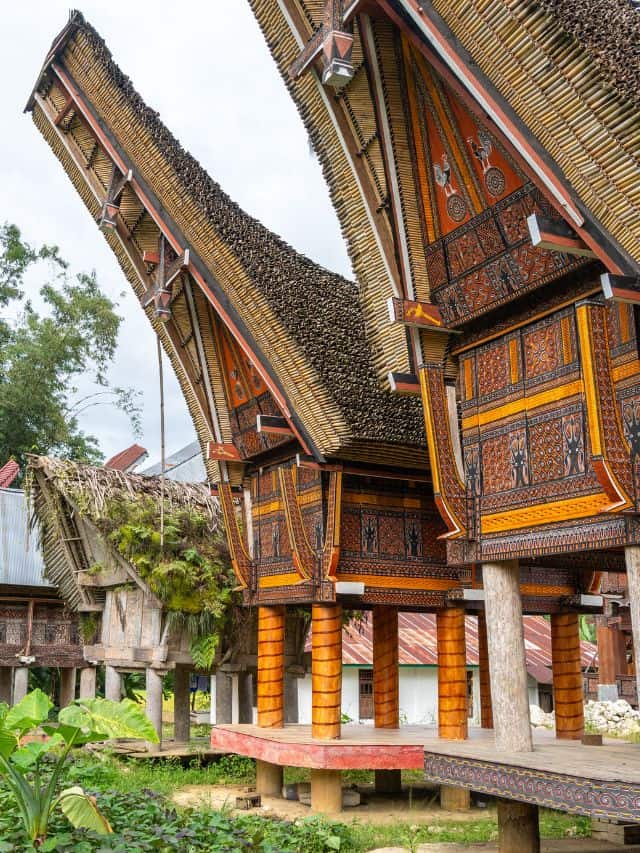
Sulawesi is another location high on my must-visit, it stands out both geographically and culturally, although planning a trip here is going to take some effort.
There are a few places worth visiting. The Toraja region in the highlands is known for its distinctive boat-shaped houses and elaborate funeral traditions, which are deeply woven into local life.
It’s one of the most culturally unique areas in Indonesia, and visiting is going to feel very different from the beach-focused islands.
At the same time, Sulawesi is a major destination for divers.
Bunaken Marine Park near Manado is famous for its steep coral walls, while Wakatobi is considered one of Indonesia’s premier dive regions.
Sulawesi isn’t going to be as easy to navigate as Bali, but for travellers interested in both culture and marine life, it’s going to offer something distinctive.
Papua & Raja Ampat: Remote and extraordinary
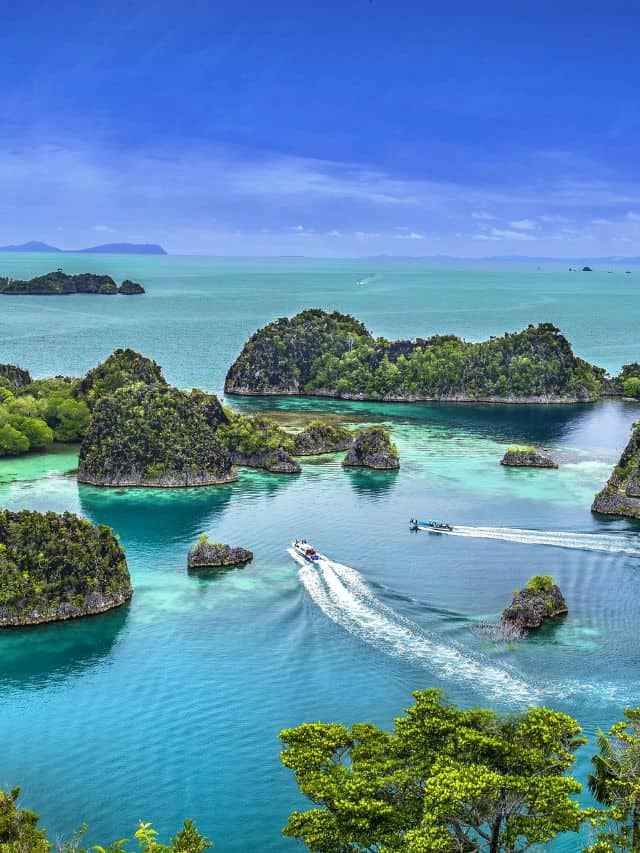
Another place I can’t wait to visit is Raja Ampat.
Located off the coast of West Papua, it’s often described as one of the best diving destinations on Earth, yes, Earth!
Located inside the Coral Triangle, the marine biodiversity here is extraordinary, with vibrant reefs, manta rays and remote island scenery that still feels largely untouched.
Reaching Raja Ampat takes time and budget, but the reward is isolation and underwater richness that few places can match.
Papua more broadly feels wilder and far less developed for tourism. It’s not a casual add-on to a Bali trip. This region suits travellers willing to invest more effort for remote landscapes and experiences that feel truly off the beaten path.
💡Good to know
The Coral Triangle is a marine region that covers parts of Indonesia, Malaysia, the Philippines, Papua New Guinea, the Solomon Islands and Timor-Leste. It’s often called the “Amazon of the seas” because of its extraordinary marine biodiversity.
Indonesia actually forms the heart of the Coral Triangle. Areas like:
- Raja Ampat (West Papua)
- Wakatobi (Sulawesi)
- Komodo National Park (Flores)
- Parts of the Banda Sea
Is Indonesia Expensive?

Indonesia isn’t as cheap as some people expect, but it’s rarely outrageous either.
At the same time, if you want a private villa with a pool and daily smoothie bowls, you can absolutely spend like you’re in Europe.
Where I live on Gili Meno, prices feel fair for what you get. Most accommodation is small-scale: beach bungalows, dive lodges, family-run stays.
Flores and parts of Sumatra often feel cheaper day to day, but comfort levels tend to drop outside major towns. Expect slower WiFi, simpler rooms, and longer travel days.
Then there’s Raja Ampat, which is a different category altogether. Flights, boat transfers and dive-focused eco-lodges push costs up quickly. It’s extraordinary, but you pay for the remoteness.
That said, there are good deals to be found. Indonesia is flexible. That flexibility is one of the reasons many travellers decide Indonesia is worth visiting. But where you go and what you prioritise make a big difference to the overall cost.
Is Indonesia Safe to Visit?
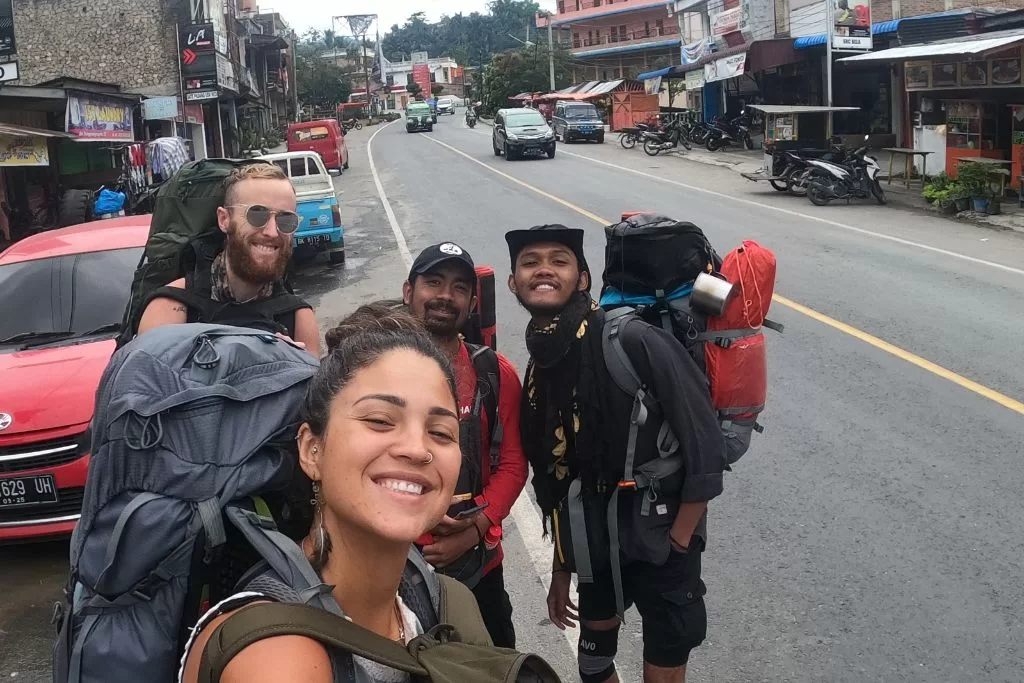
Overall, yes, Indonesia is safe to visit.
I’ve spent months travelling across Bali, Lombok, Flores, Sumatra and now living on Gili Meno, and I’ve never felt unsafe in a way that made me reconsider being here.
That doesn’t mean things can’t happen, but day-to-day travel feels manageable with common sense.
Petty theft exists, especially in busier parts of Bali. Phone snatching from scooters can happen, and leaving belongings unattended on beaches isn’t wise. But violent crime against tourists is rare.
Natural risks are more relevant here than crime.
Indonesia sits on the Pacific Ring of Fire, which means earthquakes and volcanic activity are part of life. Mount Batur, Mount Rinjani and Mount Semeru are active volcanoes. That sounds dramatic, but locals are used to it, and monitoring systems are in place.
Flooding can also occur during the rainy season in certain regions.
Road safety is probably the biggest everyday risk. Traffic in parts of Bali and Java can feel chaotic, and scooter accidents are common. If you’re riding, wear a proper helmet and don’t underestimate the roads.
Culturally, Indonesia is welcoming. It’s the largest Muslim-majority country in the world, and most regions are conservative outside tourist hubs. Dressing modestly in villages and rural areas is respectful and appreciated.
Who Is Indonesia Best For?
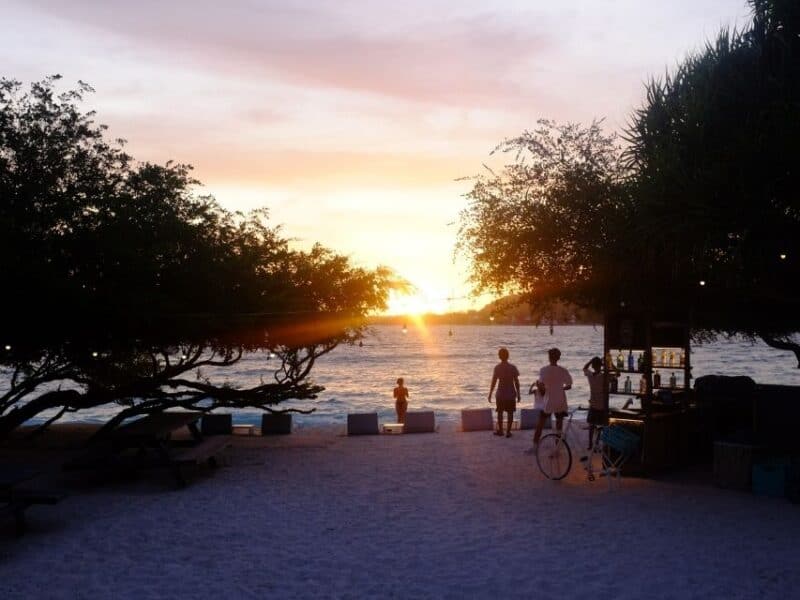
Indonesia isn’t a one-size-fits-all kind of destination, but for the right kind of traveller, I think it can feel unforgettable.
It’s ideal for people who like active travel. If you’re excited by volcano hikes, jungle trekking, snorkelling with turtles, diving coral reefs, and boat trips between islands, Indonesia is genuinely a good place to visit.
It’s a country that needs to be explored.
It’s also a strong choice if you enjoy variety. Few countries let you shift so dramatically between experiences. For example, one week you might be diving in Komodo, the next wandering temples in Java, then slowing down on a quiet island like Gili Meno.
Indonesia suits travellers who don’t mind a little unpredictability. Plans may shift, and usually do, and travel days can be long. But if you’re flexible and patient, those inconveniences often lead to better stories.
It’s particularly good for:
- Divers and snorkellers
- Volcano lovers
- Backpackers and long-term travellers
- People who enjoy landscapes that feel raw rather than manicured
Who Might Not Love Indonesia?
As much as I rate Indonesia highly, it’s not perfect and for certain it won’t suit everyone.
If you prefer tightly structured itineraries and seamless travel days, parts of Indonesia can feel frustrating. Transport often runs late, activities can be cancelled with no warning, and domestic flights shift.
If you dislike humidity, strong sun, and tropical downpours, the climate can feel intense. Even in the dry season, it’s hot. In the rainy season, it’s properly wet.
If you’re looking for spotless infrastructure everywhere, Indonesia can feel unimpressive. Bali is polished in some places, but generally, it’s similar to Flores, Sumatra, and parts of Lombok that feel more rugged.
WiFi can be patchy off the beaten path, and comfort levels vary.
And if you only have five days and want to see “everything,” Indonesia probably isn’t the best choice. The distances between the islands mean you need to slow down and focus on one region at a time.
Indonesia rewards patience more than speed. For some travellers, that’s exciting. For others, it’s exhausting.
End Note: Is Indonesia Worth Visiting
So, is Indonesia worth visiting?
After almost a year living here, travelling around, and now calling Gili Meno home, my answer is yes. For travellers who value variety and adventure, Indonesia is a genuinely good holiday destination.
Indonesia is worth visiting because it feels layered. I love the landscapes, with their dramatic ambience. For me, it’s how extraordinary the underwater world is; how the culture shifts from island to island, and because it rarely feels predictable.
It’s not always smooth; in fact, it’s rarely polished, and it definitely rewards patience.
But if you’re open to a destination that asks a little more of you, whether that’s an early-morning volcano hike, a long boat ride, or simply adjusting your expectations, Indonesia gives back with experiences that feel real.
For the right traveller, Indonesia is absolutely worth visiting.
Thank you for reading my post. You can find my latest stories and articles on my blog homepage here. Follow me on Instagram (@abigailcarolina.dalton) and Facebook to see what I’m getting up to and where my upcoming trips are.

Helpful? Please help me share 🤗
FAQs: About Visiting Indonesia
Is Indonesia Friendly to Foreigners?
Yes, Indonesia is generally very friendly to foreigners.
Across Bali, Lombok, Flores, Sumatra and even smaller islands like Gili Meno where I now live, I’ve found people to be welcoming and curious rather than distant. In tourist areas, English is widely spoken. In quieter regions, communication can take more effort, but hospitality is still strong.
Indonesia is the largest Muslim-majority country in the world, and outside Bali, dress and behaviour are more conservative. Modest clothing and respectful behaviour are appreciated, especially in rural areas.
Is Indonesia Good for Tourism?
Yes, Indonesia is well established as a tourism destination, particularly in Bali.
Infrastructure varies by region, but popular areas have stronger transport networks, accommodation options and organised tours. Outside the main hubs, tourism feels lighter and more local, which many travellers actually prefer.
How Long Should You Spend in Indonesia?
Indonesia works best when you don’t rush it.
If you only have 7 days, focus on one region. For example, just Bali. Trying to hop across multiple islands in a short trip will quickly become exhausting.
With 10–14 days, you can explore two areas properly, such as Bali and Flores or Java and Bali. After almost a year here, I’m still discovering new places.
Is Indonesia Better Than Thailand?
Thailand feels more streamlined for tourism: smoother transport, more consistent infrastructure, and easier island hopping. In contrast, Indonesia feels larger, more varied, and in some regions, less polished.
If you prefer convenience and short travel days, Thailand may feel easier. If you’re drawn to dramatic landscapes, volcanoes, and marine biodiversity, Indonesia offers experiences hard to replicate elsewhere.
They’re different rather than directly comparable. For many travellers, those trade-offs are exactly why Indonesia is worth visiting rather than a more predictable destination.
Is Indonesia Safe for Solo Travellers?
Yes, Indonesia is generally safe for solo travellers, including solo female travellers, with normal precautions.
Like anywhere, petty theft can occur in busy areas, and road safety is worth paying attention to. But violent crime against tourists is uncommon.
Indonesia can feel more conservative outside Bali, so dressing modestly and being culturally aware helps. Many travellers explore the country solo without issues.
Is Indonesia a Good Holiday Destination?
Yes, Indonesia is a good holiday destination, but it depends on what kind of holiday you’re looking for.
If you want dramatic scenery, warm weather, beaches, volcano hikes, diving, and a mix of culture and adventure, Indonesia offers a huge variety across its islands. You can shape your trip around relaxation, activity, or a mix of both.
However, Indonesia isn’t always seamless. Travel between islands takes time, infrastructure varies by region, and some areas feel more adventurous than polished. If you’re after a tightly organised, resort-style experience everywhere, it may require more planning.
